
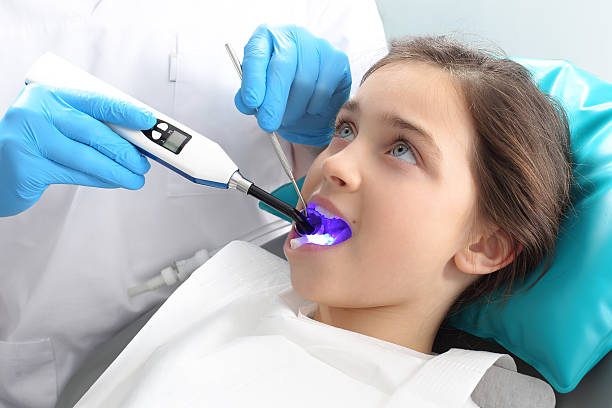

Young patient receiving dental care with a lighted instrument
Home/Dental Blog/Yorkville Toronto

Are Dental Sealants Worth It for Children? A Parent Guide

Learn how dental sealants can help protect children’s molars, what the appointment involves, and when an assessment may be appropriate.

Dentistry on 66 author avatar

Dentistry on 66

November 1, 2026

Dental sealants are thin protective coatings placed on the chewing surfaces of certain back teeth. They are most often considered for molars, where grooves can make plaque and food debris harder to remove thoroughly with a toothbrush.

For parents, the main question is usually whether sealants are worthwhile for their child. The answer depends on the teeth involved, the child’s cavity risk, oral-hygiene habits, diet, and examination findings. The dentists at Dentistry on 66 are general practitioners.

Why molars can be harder to keep clean

Molars have pits and grooves on their chewing surfaces. Even when a child brushes regularly, toothbrush bristles may not reach every narrow groove effectively. These areas can retain plaque and are common places for decay to begin.

A sealant smooths over selected grooves to create a barrier between the tooth surface and food debris or plaque. It is a preventive measure, not a treatment for an existing cavity, and it does not make daily brushing or cleaning between teeth unnecessary.

When dental sealants may be considered

Sealants are commonly considered when permanent molars have erupted enough to be assessed and protected. They may be particularly useful when grooves are deep, a child has had cavities before, or it is difficult to keep back teeth consistently clean.

Not every tooth needs a sealant. A dental examination can determine whether a tooth is fully erupted, free of decay requiring other care, and suitable for this type of protection. The decision should be based on the individual child’s oral health rather than age alone.

Have questions about what applies to your situation?

A dental examination can help determine which options and timing are appropriate for your oral health needs.

What a sealant appointment generally involves

Applying a sealant generally involves cleaning and drying the tooth, preparing the chewing surface, placing the sealant material, and setting it according to the material used. The tooth is then checked to ensure the coating does not interfere with the bite.

The process is usually focused on the surface of the tooth rather than drilling into healthy tooth structure. However, the steps and a child’s comfort can vary. A parent can ask the dental team to explain what is planned and how their child can be supported during the visit.

Benefits and limitations to understand

A well-maintained sealant can help lower the chance of decay starting in protected grooves, but it cannot protect every surface of a tooth. Cavities can still develop between teeth, around unprotected areas, or where daily plaque removal and dietary habits remain challenging.

Sealants can wear, chip, or partially come away over time. Regular dental visits allow a dentist to check whether they remain intact and whether repair or replacement is appropriate. They are one part of prevention alongside fluoride toothpaste, cleaning between teeth when appropriate, and a diet that limits frequent sugary foods and drinks.

Questions parents can ask at an assessment

Useful questions include which teeth may benefit, whether those teeth are fully erupted, how sealants fit with fluoride use and home care, and what signs would mean a sealant needs review. Asking these questions can help parents understand the potential benefit and limitations for their child.

For families in Yorkville and central Toronto, an appointment is an opportunity to discuss preventive options in the context of a child’s full oral-health picture. If a child has tooth pain, swelling, a visible hole, or a broken tooth, seek dental advice promptly rather than relying on sealants as a solution.

Trusted Resources

External sources that support this topic

FAQ

Questions patients ask before booking

Are dental sealants worth it for children?

They may be worthwhile for children whose molars have grooves that are difficult to clean or who have a higher risk of cavities. A dental examination can determine whether particular teeth are suitable and likely to benefit.

Do dental sealants replace brushing?

No. Sealants protect selected chewing grooves, but children still need regular brushing with fluoride toothpaste and other home-care guidance appropriate to their age and needs.

Can a tooth with a cavity receive a sealant?

A sealant is intended as prevention on a suitable tooth surface. If decay is present or suspected, a dentist needs to assess the tooth and discuss the appropriate care.

How long do dental sealants last?

Sealants can remain in place for years, but longevity varies with the tooth, bite forces, material, and daily habits. They can wear or chip, so they should be checked during dental visits.

Dental care in Yorkville and central Toronto

Dentistry on 66 is located on Avenue Road in Yorkville and serves patients from nearby central Toronto neighbourhoods.

YorkvilleThe AnnexRosedaleDowntown Toronto

Book an appointment at Dentistry on 66

Contact Dentistry on 66 in Yorkville to arrange an assessment and discuss your questions with the dental team.

66 Avenue Rd Unit 21, Toronto(416) 921-2473
Call NowBook Online