
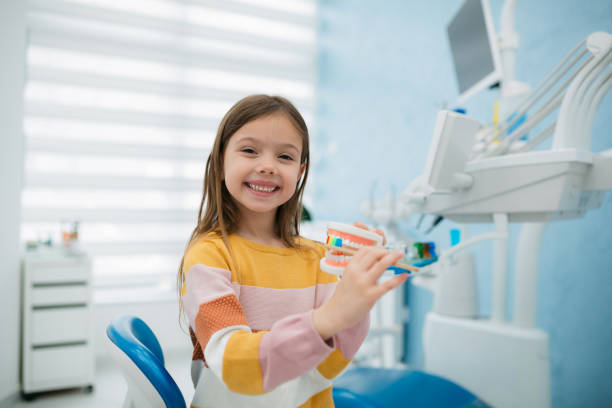

Child holding a toothbrush while learning about dental care
Home/Dental Blog/Yorkville Toronto

Your Child’s First Dental Visit in Toronto: How to Prepare and What to Expect

Help your child feel ready for a first dental visit in Toronto with practical preparation tips, age-appropriate expectations, and questions to ask.

Dentistry on 66 author avatar

Dentistry on 66

August 18, 2026

A child’s first dental visit can feel like a big milestone, especially when you are unsure how your child will respond to a new setting, unfamiliar sounds, or someone looking in their mouth. A little preparation can make the day feel more predictable for both of you.

Rather than presenting the visit as something to worry about, frame it as a routine health appointment. The goal is to help your child become comfortable with dental care while giving the dental team information that supports individualized advice for their oral health. The dentists at Dentistry on 66 are general practitioners and provide care based on each patient’s individual needs.

Why an early dental visit can be helpful

Dental visits are not only for treating a toothache. An age-appropriate visit can give parents a chance to ask about brushing, fluoride toothpaste, diet, thumb or pacifier habits, tooth development, and any concerns they have noticed.

It also helps children become familiar with a dental environment before they need more involved care. A calm, matter-of-fact introduction may make future appointments feel less unfamiliar.

The timing and content of a child’s visit should be guided by their age, dental development, health history, and any symptoms or concerns. If your child has pain, swelling, an injury, or a broken tooth, seek prompt dental advice rather than waiting for a routine visit.

How to talk about the dentist without creating worry

Use simple, neutral language. You might tell your child that the dentist will count their teeth, look at their smile, and help them learn how to keep their teeth healthy. Avoid describing an appointment as something that will hurt, or promising that nothing uncomfortable will ever happen; either approach can make a child more anxious.

Books, pretend play, and a short explanation the day before can help. Let your child practise opening wide for a few seconds or take turns being the dentist with a stuffed animal. The purpose is familiarity, not rehearsal.

Try to keep your own language calm as well. Children often take cues from a parent or caregiver’s tone, even when they do not fully understand the details of the appointment.

Have questions about what applies to your situation?

A dental examination can help determine which options and timing are appropriate for your oral health needs.

What may happen at a first dental appointment

The details of a first appointment vary. Depending on the child’s age, cooperation, oral health, and the reason for the visit, a dental professional may talk with the parent or caregiver, look at the teeth and gums, discuss home care, and consider whether preventive or diagnostic steps are appropriate.

For some children, the most productive first visit is simply becoming comfortable sitting in the dental chair and allowing a brief look inside the mouth. For others, a more complete examination may be possible. It is normal for young children to need time to adjust.

If dental X-rays, cleaning, fluoride, sealants, or treatment are being considered, whether they are appropriate depends on the individual assessment and clinical needs. The dentists at Dentistry on 66 are general practitioners.

What to bring and share with the dental team

Bring any information that may affect your child’s care, such as a current medication list, allergies, relevant medical history, previous dental records if available, and details about a specific concern. If your child has had a fall, a mouth injury, sensitivity, difficulty chewing, or changes you have noticed in their gums or teeth, describe when it started and what you observed.

It can also help to write down your questions in advance. Parents commonly ask about brushing technique, how much toothpaste to use, frequent snacking or sweet drinks, pacifier use, thumb sucking, delayed or crowded-looking teeth, and whether their child’s habits call for closer attention.

A familiar comfort item can be useful for some children. Keep the plan flexible: a successful appointment does not need to look identical for every child.

Creating a realistic routine after the visit

Daily home care remains important between dental appointments. For children, this generally means a parent or caregiver helps with brushing until the child has the coordination to do it effectively on their own. A dental professional can provide guidance tailored to your child’s age, risk factors, and development.

Consistency matters more than perfection. Keeping toothbrushes easy to reach, making brushing part of the morning and bedtime routine, and choosing water as the usual drink can support oral health habits over time.

If your child is anxious, avoid using a dental appointment as a consequence for eating sweets or not brushing. A supportive approach can help preserve the idea that dental care is a normal part of looking after their health.

Trusted Resources

External sources that support this topic

FAQ

Questions patients ask before booking

How do I prepare my child for their first dental visit?

Use calm, simple language and explain that the dentist will look at their teeth and help keep their smile healthy. Reading a child-friendly book or practising with a stuffed animal may also make the idea feel more familiar.

What if my child will not sit still or open their mouth?

That is common, particularly for young children or children visiting a dental office for the first time. The appointment may be adapted to the child’s comfort and cooperation, and a brief positive introduction can still be valuable.

Should I wait until my child has tooth pain before booking a dental visit?

No. A dental visit can be useful before a problem is apparent because it gives parents a chance to discuss prevention and development. If your child has pain, swelling, a broken tooth, or a mouth injury, seek prompt dental advice.

Will my child receive a cleaning or X-rays at the first visit?

It depends on the child’s age, comfort, oral health, and clinical needs. A dental professional can determine whether a cleaning, X-rays, fluoride, sealants, or other steps are appropriate after an individual assessment.

Dental care in Yorkville and central Toronto

Dentistry on 66 is located on Avenue Road in Yorkville and serves patients from nearby central Toronto neighbourhoods.

YorkvilleThe AnnexRosedaleDowntown Toronto

Book an appointment at Dentistry on 66

Contact Dentistry on 66 in Yorkville to arrange an assessment and discuss your questions with the dental team.

66 Avenue Rd Unit 21, Toronto(416) 921-2473
Call NowBook Online