
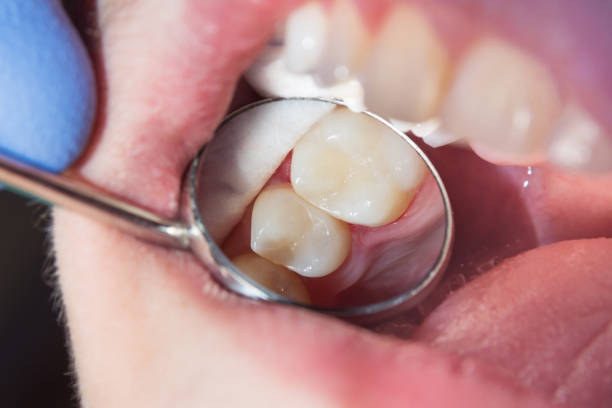

Dentist placing a tooth-coloured filling during a dental procedure
Home/Dental Blog/Yorkville Toronto

How Long Do Composite Fillings Last? What Toronto Patients Can Expect

Composite fillings often last about 5–10 years, though size, tooth location, bite forces and daily care affect longevity. Learn signs a filling needs review.

Dentistry on 66 author avatar

Dentistry on 66

October 14, 2026

Composite fillings, also called tooth-coloured fillings, are used to restore areas affected by decay, wear, or minor damage. A common question is how long they last before they need attention.

As a general estimate, composite fillings often last several years, with many commonly lasting approximately 5–10 years. This is not a guarantee or a replacement schedule: longevity can depend on the tooth, filling size, bite forces, oral hygiene, diet, grinding or clenching, and follow-up care. Some fillings need attention sooner, while others remain functional longer. The dentists at Dentistry on 66 are general practitioners.

Why there is a range rather than one fixed lifespan

A small filling on a tooth that receives relatively modest chewing pressure may face different demands from a large filling on a back tooth. Larger restorations and restorations in areas that take heavy bite forces can be more prone to wear, chipping, leakage around the edges, or fracture over time.

Daily habits matter as well. Frequent exposure to sugary or acidic foods and drinks can contribute to new decay around a filling. Grinding or clenching can place repeated force on both teeth and restorations. Consistent brushing, cleaning between teeth, and dental visits can help identify concerns before they become more extensive.

What can make a composite filling need attention sooner?

A filling may require review sooner if it chips, cracks, becomes rough, no longer seals well at the tooth edge, or is affected by new decay. A change in the tooth itself can also influence the restoration; for example, a tooth can develop a crack or lose additional structure after a filling has been placed.

Symptoms such as sensitivity to hot, cold, or sweet foods, pain when biting, food repeatedly catching in one area, or a rough edge can have several possible causes. They do not confirm that a filling has failed, but they are reasonable reasons to arrange an assessment rather than trying to diagnose the issue at home.

Have questions about what applies to your situation?

A dental examination can help determine which options and timing are appropriate for your oral health needs.

Age alone does not decide whether a filling should be replaced

A filling reaching a certain age does not automatically need replacement. Some restorations remain functional beyond the commonly quoted range, while others need repair or replacement earlier because of their condition or the tooth around them.

An examination can assess the restoration, the tooth structure, the contact with neighbouring teeth, and signs of decay or fracture where clinically appropriate. Those findings—not age alone—help determine whether monitoring, repair, or replacement is appropriate. Replacing a filling unnecessarily can remove additional tooth structure, so the decision should be individualized.

How to care for a composite filling

Brush twice daily with fluoride toothpaste and clean between teeth regularly. These steps help reduce plaque buildup around the margins where a filling meets the natural tooth. A balanced diet that limits frequent sugary snacks and drinks may also support both the filling and the surrounding tooth.

Avoid using teeth to open packaging or bite hard non-food objects. If you know or suspect that you clench or grind, mention it during a dental visit. A dental assessment can determine whether bite-related wear is affecting your teeth or restorations and discuss options appropriate to your situation.

When to book a dental assessment

Book an appointment if a filling feels loose or rough, a piece has broken, you have new or persistent sensitivity, or biting causes discomfort. A visible dark line or change around a filling can also be worth checking, although appearance alone cannot determine whether treatment is needed.

Seek prompt dental advice for significant pain, swelling, a broken tooth, or symptoms that are worsening. Until you are assessed, avoid repeatedly testing a painful tooth by biting on hard foods or applying extreme temperatures.

Planning Your Next Step

Ready to book a visit?

If this article matches what you are dealing with, read the related service page, review our new patient information, or book directly with Dentistry on 66 at 66 Avenue Rd Unit 21, Toronto.

Trusted Resources

External sources that support this topic

FAQ

Questions patients ask before booking

How long do composite fillings usually last?

Composite fillings often last several years, with many commonly lasting approximately 5–10 years. Their lifespan varies with the size and location of the filling, bite forces, oral hygiene, diet, grinding or clenching, and the condition of the tooth. This range is a general estimate, not a guarantee.

Do composite fillings need to be replaced after 10 years?

Not necessarily. A filling does not need replacement based on age alone. Some remain functional longer, while others need attention sooner. A dental examination can determine whether monitoring, repair, or replacement is appropriate.

What are signs that a composite filling may need attention?

Possible signs include new sensitivity, pain when biting, a chipped or rough edge, food catching repeatedly, or a filling that feels loose. These symptoms can have different causes, so an assessment is needed to identify the issue.

Can a dentist repair a composite filling instead of replacing it?

In some cases, a limited chip or defect may be repairable. Whether repair is suitable depends on the amount of remaining sound filling and tooth structure, the location of the problem, and examination findings.

Dental care in Yorkville and central Toronto

Dentistry on 66 is located on Avenue Road in Yorkville and serves patients from nearby central Toronto neighbourhoods.

YorkvilleThe AnnexRosedaleDowntown Toronto

Book an appointment at Dentistry on 66

Contact Dentistry on 66 in Yorkville to arrange an assessment and discuss your questions with the dental team.

66 Avenue Rd Unit 21, Toronto(416) 921-2473
Call NowBook Online