
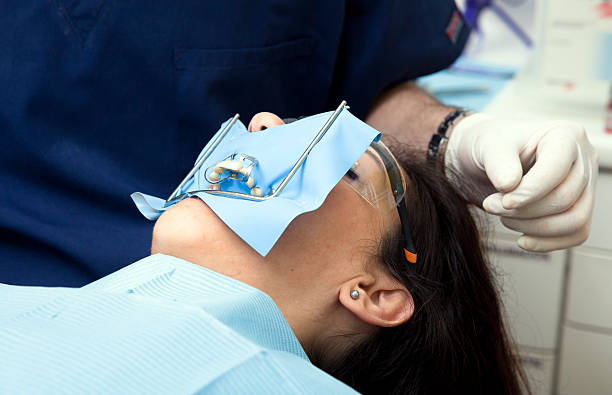

Dental crowns and bridges restoration discussed with a patient at Dentistry on 66 in Yorkville Toronto
Home/Dental Blog/Yorkville Toronto

Implants vs Bridges vs Dentures: Which Tooth Replacement Is Right for You? A Yorkville Toronto Dentist's Guide (2026)

Replacing a missing tooth in Toronto? A Yorkville dentist compares implants, bridges, and dentures across cost, longevity, comfort, bone health, and CDCP coverage so you can choose what fits your case.

Dentistry on 66 author avatar

Dentistry on 66

May 19, 2026

A missing tooth is rarely just a cosmetic issue. The gap changes how you bite, how the neighbouring teeth shift over time, and how the bone underneath behaves. In Toronto, most patients comparing tooth replacement options end up weighing three main paths: a dental implant, a dental bridge, or a denture.

None of them is automatically the right answer. The best fit depends on how many teeth are missing, where the gap is, the health of the surrounding teeth and bone, your budget, and what you want the result to feel and look like five and ten years from now. This guide explains how the three options compare for a Yorkville or central Toronto patient in 2026.

Dental implants: the most tooth-like replacement

A dental implant is a small titanium post placed into the jawbone, topped by an abutment and a crown that replaces the missing tooth. It is the closest option to a real tooth in feel, function, and how it preserves bone. Because the implant is anchored in the bone, it does not depend on the neighbouring teeth for support.

Implants are the most expensive option up front. A single-tooth implant in Toronto in 2026 typically costs between $3,000 and $6,000 once the implant, abutment, and crown are included. CDCP does not currently cover implants. The trade-off is longevity: with good hygiene, implants often last decades and protect the bone in the area, which dentures and bridges do not.

  • Feels and functions most like a natural tooth
  • Does not rely on neighbouring teeth
  • Helps preserve jawbone in the gap area
  • Higher up-front cost, not covered by CDCP
  • Process spans three to six months for full integration

Dental bridges: a faster fixed option

A dental bridge replaces the missing tooth with a crown supported by the two neighbouring teeth. The neighbouring teeth are reshaped to receive crowns that hold the bridge in place. The result is fixed, looks natural, and is usually completed in two to three visits rather than several months.

Bridges are a strong fit when the neighbouring teeth already have large fillings, are cracked, or could benefit from crowns of their own. They are less ideal when the neighbouring teeth are perfectly healthy, because the procedure permanently changes those teeth. Bridges also do not stop bone loss under the gap, since nothing replaces the root.

  • Fixed in place, no removal required
  • Faster than implant treatment
  • Works well when neighbouring teeth already need restoration
  • Reshapes healthy teeth, which is a permanent change
  • Does not preserve bone under the missing tooth

Want a plan tailored to your missing tooth?

A Yorkville consultation reviews your case, imaging, gum and bone health, and walks through which of the three options actually fits, with real numbers and a clear timeline.

Dentures: the most accessible option and the main path under CDCP

Removable dentures replace one or more missing teeth on a base that sits over the gums. Partial dentures fit alongside remaining natural teeth; complete dentures replace a full arch. Modern dentures are far more comfortable and natural-looking than the dentures most people remember, and they remain the most affordable option for replacing several teeth.

Dentures are also the main prosthetic option covered under the Canadian Dental Care Plan for eligible patients. For many people, that makes them the realistic starting point. Implant-supported dentures combine a stable implant base with a denture restoration, but the implant portion is private. A clinical exam helps clarify which type of denture is appropriate.

  • Most affordable option, especially for multiple missing teeth
  • Main prosthetic covered by CDCP for eligible patients
  • Removable, requires daily cleaning
  • Can affect speech and chewing comfort initially
  • Implant-supported dentures combine implant stability with a denture

How to choose between them

The right option usually becomes obvious once a few questions are answered together: how many teeth are missing and where, how healthy the surrounding teeth and gums are, how much bone is in the area, whether the patient prefers a fixed solution, and how the case fits with insurance or CDCP coverage. A consultation with imaging is what turns those questions into a single recommended plan.

Patients often find that the decision is not implants versus dentures in the abstract, but a specific plan: implant for one location, a crown for a neighbouring tooth that needs work, and a clear timeline. That is the conversation a consultation is built around.

Planning Your Next Step

Ready to book a visit?

If this article matches what you are dealing with, read the related service page, review our new patient information, or book directly with Dentistry on 66 at 66 Avenue Rd Unit 21, Toronto.

FAQ

Questions patients ask before booking

Which is better, a dental implant or a dental bridge?

An implant is closest to a natural tooth and preserves jawbone, but costs more and takes longer. A bridge is faster and uses neighbouring teeth for support but requires reshaping them. The best choice depends on the health of the neighbouring teeth, bone in the area, and the overall plan.

Are dentures covered by CDCP?

Removable dentures are the main prosthetic option covered under the Canadian Dental Care Plan for eligible patients. Implants and implant-supported restorations are not currently covered.

How long do implants, bridges, and dentures last?

With good hygiene, implants often last decades. Bridges typically last 10 to 15 years or more, and dentures may need adjustment or replacement every five to eight years depending on bone changes and wear.

Can I replace a missing tooth temporarily and decide later?

Yes, a temporary or interim solution can give you time to plan. Leaving the gap untreated, however, allows neighbouring teeth to shift and bone to recede, which can make later treatment more complex.

How much does it cost to replace one tooth in Toronto?

An implant typically runs $3,000 to $6,000 in Toronto in 2026. A traditional bridge usually costs less than an implant once both crowns and the pontic are included. A partial denture is the most affordable but functions differently. Specific quotes come from a consultation.

Tooth replacement consultations in Yorkville and central Toronto

Dentistry on 66 sees patients from Yorkville, Avenue Road, Bloor, Rosedale, Summerhill, The Annex, and downtown Toronto for tooth replacement consultations. The goal is a clear comparison and a treatment plan that fits your case, not a generic recommendation.

YorkvilleThe AnnexRosedaleDowntown Toronto

Book a tooth replacement consultation at Dentistry on 66

Dentistry on 66 sees patients in our Yorkville clinic on Avenue Road for implant, bridge, and denture consultations. You leave with a plan, not a sales pitch.

66 Avenue Rd Unit 21, Toronto(647) 930-2693
Call NowBook Online