
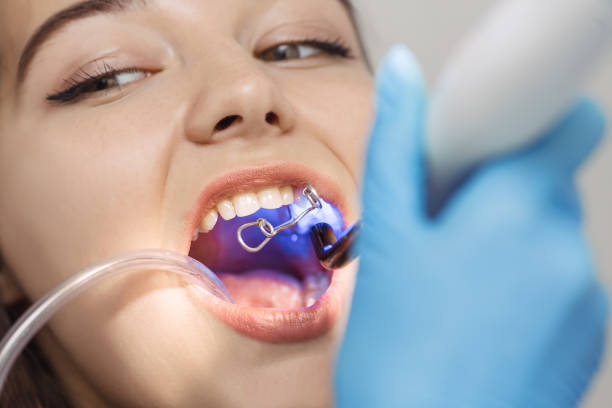
Cosmetic dental bonding shade matching for a front tooth repair at Dentistry on 66 in Yorkville Toronto
Home/Dental Blog/Yorkville Toronto

Veneers vs Bonding in Toronto: Which One Should You Actually Choose? A Yorkville Dentist Explains

Chipped, stained, or slightly uneven front teeth? A Yorkville Toronto dentist compares veneers and bonding on cost, longevity, reversibility, and results so you know which one fits your smile before you book.

Dentistry on 66 author avatar

Dentistry on 66

June 30, 2026

Most people who research veneers do not actually want a new smile. They want one specific thing fixed: a chipped edge, a small gap, a tooth that sits slightly back from its neighbour, or one front tooth that never quite matches the others in colour.

For those cases there are two realistic paths, and they are genuinely different decisions. Composite bonding is sculpted directly onto your tooth in a single appointment and removes little or no enamel. Porcelain veneers are custom-made in a lab, bonded over the front of the tooth, and usually require permanently reshaping some enamel first.

One is cheaper, faster, and reversible. The other lasts longer, resists staining, and handles bigger changes. Neither is better in the abstract, and the honest answer depends on how much needs to change and how permanent you want the result to be.

Dental bonding: fast, conservative, and reversible

Bonding uses tooth-coloured composite resin, the same material used in white fillings, shaped by hand directly onto your tooth and hardened with a curing light. The whole thing usually happens in one appointment, often without freezing, and you walk out with the result the same day. In Toronto, bonding typically costs around $300 to $700 per tooth in 2026.

Its biggest advantage is what it does not do. Bonding generally removes little or no enamel, which means the decision is reversible. If you dislike it, or want to move to veneers in five years, your tooth is still intact underneath. For a single chipped incisor or a small gap, that conservatism is usually the right call.

The trade-off is durability. Composite is softer than porcelain, so it stains over time with coffee, tea, and red wine, and it can chip under heavy biting force. Most bonding lasts roughly five to seven years before it needs polishing or replacement, which is a real cost worth planning for rather than a hidden flaw.

  • Approximately $300 to $700 per tooth in Toronto
  • Usually one appointment, often with no freezing needed
  • Little to no enamel removed, so the decision stays reversible
  • Lasts roughly five to seven years before repair or replacement
  • Stains gradually and can chip under heavy force

Porcelain veneers: durable, stain-resistant, and permanent

A veneer is a thin custom shell of porcelain bonded across the front of the tooth. Because it is made in a lab from a scan of your prepared tooth, it can control shape, length, proportion, and shade far more precisely than material sculpted by hand in the chair. Treatment usually spans two or three appointments over a few weeks. In Toronto, veneers generally run about $1,200 to $2,500 per tooth in 2026.

Porcelain is the reason people choose veneers. It does not stain the way composite does, it holds its polish for years, and it typically lasts ten to fifteen years or more with good care. When several front teeth are being changed together, porcelain also delivers a consistency across the smile that is difficult to match with freehand bonding.

The trade-off is permanence. Most veneers require removing a thin layer of enamel so the shell sits flush rather than bulky, and enamel does not grow back. Once a tooth is prepared for a veneer it will need a veneer or a crown for the rest of its life. That is not a reason to avoid veneers, but it is a reason to be certain before starting.

  • Approximately $1,200 to $2,500 per tooth in Toronto
  • Two to three appointments across a few weeks
  • Usually requires permanent enamel reduction
  • Lasts roughly ten to fifteen years or more
  • Resists staining and holds shade and polish over time

Not sure whether you need bonding or veneers?

A Yorkville cosmetic consultation looks at your enamel, your bite, and your actual goal, then tells you honestly which option fits, including when bonding is the smarter spend.

How to actually choose between them

The most useful question is not which one is better but how much has to change. If you are repairing one chip, closing a small gap, or blending one tooth that sits slightly out of line, bonding usually does the job for a fraction of the cost while keeping every option open. If you are changing the shape, length, and shade of several front teeth at once and want it to hold for a decade, porcelain is the material built for that.

Bite matters more than most patients expect. If you grind your teeth, composite on your front edges will chip, and so will porcelain. In that situation the conversation has to include a night guard, otherwise you are paying to repair the same tooth repeatedly. The same logic applies to alignment: if a tooth looks wrong mainly because it is rotated or crowded, moving it with Invisalign first often produces a better result with less drilling than masking it with porcelain.

Shade sequencing is the detail that trips people up. Neither composite nor porcelain responds to whitening, so both are matched to whatever colour your teeth are on the day they are placed. If whitening is part of your plan, it comes first, then the restoration is matched to the new shade. Doing it in the reverse order means paying twice.

  • One or two small fixes and you want to stay reversible: bonding
  • Several teeth, bigger shape changes, ten-year outlook: veneers
  • Rotation or crowding is the real issue: consider Invisalign first
  • You grind at night: plan for a night guard either way
  • Whitening is part of the plan: whiten first, then match the restoration

Does insurance cover cosmetic bonding or veneers?

Purely cosmetic work is generally not covered by private insurance or the Canadian Dental Care Plan. The distinction insurers draw is function versus appearance. Bonding to repair a genuinely fractured tooth or to cover an exposed root surface is often partially covered because it restores the tooth, while bonding to close a gap you dislike is usually not.

Veneers are almost always considered elective and paid privately. That said, plenty of cosmetic plans in Yorkville are staged deliberately over time, treating the teeth that matter most first, and payment plans are commonly used. It is worth asking for a written pre-determination when a case sits anywhere near the line between restorative and cosmetic.

Planning Your Next Step

Ready to book a visit?

If this article matches what you are dealing with, read the related service page, review our new patient information, or book directly with Dentistry on 66 at 66 Avenue Rd Unit 21, Toronto.

FAQ

Questions patients ask before booking

Is bonding or a veneer better for a chipped front tooth?

For a single chip, bonding is usually the better first choice. It is done in one appointment, costs far less, and removes little or no enamel, so you can still move to a veneer later. A veneer makes more sense if the tooth also needs shape, length, or shade changes.

How much does dental bonding cost in Toronto?

Cosmetic bonding typically costs about $300 to $700 per tooth in Toronto in 2026, depending on the size of the repair and how much artistry the shade match requires. Veneers generally run about $1,200 to $2,500 per tooth.

How long does bonding last compared to veneers?

Bonding usually lasts about five to seven years before it needs polishing or replacement, because composite stains and chips over time. Porcelain veneers typically last ten to fifteen years or more and resist staining.

Do veneers ruin your teeth?

Veneers do not damage healthy teeth, but most require removing a thin layer of enamel, which does not grow back. Once a tooth is prepared for a veneer it will always need a veneer or crown. Bonding avoids that commitment, which is why it suits patients who want to stay reversible.

Should I whiten before bonding or veneers?

Yes, whiten first. Neither composite nor porcelain changes colour with whitening, so both are matched to your teeth's shade on the day they are placed. Whitening afterward leaves the restoration looking darker than the surrounding teeth.

Does insurance cover veneers or bonding in Ontario?

Veneers are almost always considered elective and paid privately, and CDCP does not cover cosmetic work. Bonding may be partially covered when it repairs a fractured tooth or covers an exposed root, because that restores function rather than appearance. Ask for a written pre-determination.

Bonding and veneers consultations in Yorkville and central Toronto

Patients from Yorkville, Avenue Road, Bloor, Rosedale, Summerhill, The Annex, and downtown Toronto visit Dentistry on 66 for cosmetic consultations on chips, gaps, and shade concerns, where the plan is built around your enamel and your goal rather than a default treatment.

YorkvilleThe AnnexRosedaleDowntown Toronto

Book a cosmetic consultation at Dentistry on 66

Dentistry on 66 offers bonding, veneers, and full cosmetic planning at our Yorkville clinic on Avenue Road. You get a straight recommendation and a written fee, not a push toward the most expensive option.

66 Avenue Rd Unit 21, Toronto(647) 930-2693
Call NowBook Online