
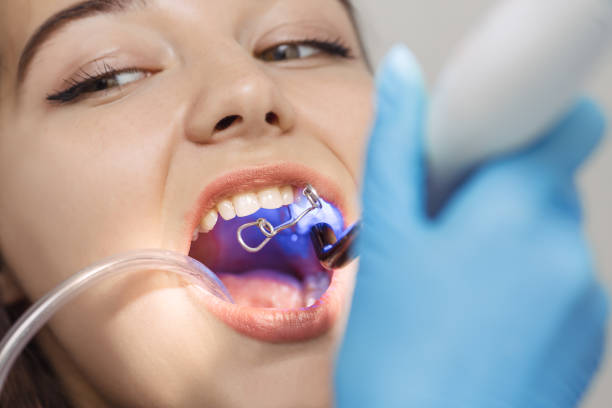

Patient receiving dental treatment with isolation equipment
Home/Dental Blog/Yorkville Toronto

Can Dental Bonding Fix a Chipped Tooth? A Toronto Patient Guide

Learn when dental bonding may be considered for a chipped tooth, its limits, care considerations, and when a dental assessment is needed.

Dentistry on 66 author avatar

Dentistry on 66

November 22, 2026

A chipped tooth can affect the way a tooth feels, looks, or functions, especially when the chip is on a front tooth. Dental bonding is one option that may be considered for certain small chips, worn edges, or minor shape changes, but it is not the right approach for every type of damage.

The best option depends on the tooth, the size and location of the chip, bite forces, symptoms, and the amount of healthy tooth structure remaining. The dentists at Dentistry on 66 are general practitioners. Dentistry on 66 lists dental bonding among its services in Yorkville, Toronto.

What dental bonding is

Dental bonding uses a tooth-coloured composite resin that is shaped directly on a tooth and hardened. It may be used to restore a small missing edge, adjust minor irregularities in shape, or blend an area of limited damage with the surrounding tooth.

Because bonding is added to the tooth rather than made in a dental laboratory, it can be a conservative option in selected situations. However, the planned approach should be based on an examination, not on a photograph or the appearance of the chip alone.

When bonding may be considered for a chipped tooth

Bonding may be considered when a chip is small, the remaining tooth structure is stable, and the area can be restored in a way that works with the bite. It is often discussed for minor chips on front teeth, where colour matching and tooth shape are important considerations.

A dentist may also assess whether the chip is new or longstanding, whether there is sensitivity, and whether grinding, clenching, or an injury contributed to the damage. Treating the visible edge without considering the cause may not be appropriate in every case.

Have questions about what applies to your situation?

A dental examination can help determine which options and timing are appropriate for your oral health needs.

When another option may be more suitable

A larger fracture, a crack extending deeper into the tooth, active decay, significant bite pressure, or damage involving the nerve may require a different treatment approach. Depending on the findings, options can include smoothing a very small rough edge, a filling, a veneer, a crown, root canal treatment, or other care.

A chip does not always show the full extent of an injury. Pain when biting, persistent sensitivity, swelling, a loose tooth, or a tooth that has changed colour are reasons to seek dental advice promptly. These symptoms can have several causes and need an assessment rather than self-diagnosis.

Benefits and limitations to understand

For an appropriate case, bonding can restore a small area with tooth-coloured material while preserving more natural tooth structure than options that require more extensive preparation. The final appearance can depend on the original tooth colour, the size of the repair, lighting, and the condition of neighbouring teeth.

Bonding material can stain, wear, chip, or fracture over time. It may also require repair or replacement, particularly where it is exposed to repeated biting forces. No restoration is permanent, and the expected durability of bonding varies from person to person.

How to protect a bonded tooth

Avoid using teeth to open packages, bite fingernails, or chew hard non-food objects. These habits can place unnecessary force on natural teeth and restorations. If you clench or grind, mention it at a dental visit so the possible effect on your teeth and any restoration can be assessed.

Brush twice daily with fluoride toothpaste and clean between teeth regularly. If a bonded edge feels rough, chips again, changes colour noticeably, or causes discomfort, arrange a dental assessment rather than trying to smooth or repair it at home.

Trusted Resources

External sources that support this topic

FAQ

Questions patients ask before booking

Can dental bonding fix a chipped front tooth?

It may be an appropriate option for a small chip on a front tooth when the tooth is stable and the repair can work with the bite. An examination is needed to determine whether bonding or another option is more suitable.

Does dental bonding look like a natural tooth?

Composite resin is tooth-coloured and can be shaped to blend with a tooth. The result depends on factors such as tooth colour, the size of the repair, the location of the chip, and the condition of surrounding teeth.

How long does dental bonding last on a chipped tooth?

Longevity varies. Bonding can wear, stain, chip, or fracture over time, particularly when exposed to repeated biting forces or habits such as clenching. A dentist can discuss the factors that may affect a particular repair.

Can I leave a chipped tooth untreated?

A very small chip may not always require treatment, but an assessment can determine whether there is a crack, sharp edge, bite issue, decay, or another concern. Seek prompt dental advice for pain, swelling, a significant break, or worsening symptoms.

Dental care in Yorkville and central Toronto

Dentistry on 66 is located on Avenue Road in Yorkville and serves patients from nearby central Toronto neighbourhoods.

YorkvilleThe AnnexRosedaleDowntown Toronto

Book an appointment at Dentistry on 66

Contact Dentistry on 66 in Yorkville to arrange an assessment and discuss your questions with the dental team.

66 Avenue Rd Unit 21, Toronto(416) 921-2473
Call NowBook Online