
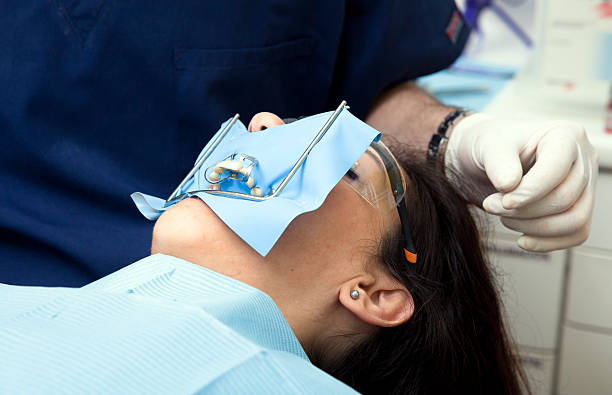

Patient receiving shade matching during a restorative dental appointment
Home/Dental Blog/Yorkville Toronto

Cracked Tooth in Toronto: When Might You Need a Crown?

Learn what can cause a cracked tooth, signs to watch for, and when a dental crown, filling, bonding, or other care may be considered after an exam.

Dentistry on 66 author avatar

Dentistry on 66

August 19, 2026

A cracked tooth can be confusing because the symptoms are not always constant. You may notice a sharp sensation when biting, sensitivity to hot or cold foods, or discomfort that comes and goes. In other cases, a crack is found during a routine dental examination before it causes obvious symptoms.

A crack does not automatically mean that you need a crown. The appropriate option depends on the tooth involved, the location and depth of the crack, the condition of the tooth and surrounding tissues, and whether the nerve has been affected. The dentists at Dentistry on 66 are general practitioners.

What can cause a tooth to crack?

Teeth are strong, but they can be affected by repeated pressure, injury, decay, large existing restorations, and temperature changes. Biting down on a hard food or object may create a sudden crack, while clenching or grinding can place repeated force on teeth over time.

A crack can range from a small surface line in enamel to a more significant fracture involving a cusp, an existing filling, or deeper parts of the tooth. It is not possible to judge the extent of a crack reliably from symptoms alone.

Signs that deserve a dental assessment

Pain or a sharp feeling when you bite and then release is one possible sign of a cracked tooth. Sensitivity to cold, heat, or sweet foods; discomfort around one tooth; a rough or sharp edge; or a visible missing piece of tooth can also be reasons to arrange an examination.

Not every crack causes pain, and pain does not always mean a tooth is cracked. A dental assessment can help identify whether symptoms may be related to a crack, decay, an older restoration, gum concerns, bite pressure, or another issue.

Seek prompt dental advice for significant pain, swelling, a broken tooth, or an injury to the mouth. Until you are assessed, avoid chewing on the affected side and avoid testing the tooth repeatedly by biting on hard foods.

Have questions about what applies to your situation?

A dental examination can help determine which options and timing are appropriate for your oral health needs.

When a crown may be considered

A dental crown may be considered when a tooth has lost enough structure that a filling or bonding alone may not provide adequate support. A crown covers the visible portion of the tooth and can help protect a weakened tooth from biting forces, but its suitability depends on an individual examination and treatment plan.

For example, a crown may be discussed when a crack affects a large portion of the chewing surface, when a tooth has a large existing filling, or when a fractured cusp needs more protection. The goal is not simply to cover every crack, but to choose an approach that addresses the tooth’s condition while preserving as much healthy structure as possible.

If the crack extends into the nerve or reaches below the gumline, treatment considerations can be more complex. A dentist can explain the findings, alternatives, limitations, and likely next steps for your particular tooth.

Other options for a cracked or chipped tooth

Small chips or limited areas of damage may sometimes be managed with smoothing, composite filling material, or dental bonding. These options may be appropriate in selected circumstances, particularly when the remaining tooth structure is sound and the area does not require full coverage.

If decay or an older filling has weakened the tooth, a new filling, an onlay, or a crown may be among the options considered. When the dental pulp is affected, root canal treatment may be recommended before a tooth is restored. If a tooth cannot be predictably restored, extraction and tooth-replacement options may be discussed.

The right choice is based on the tooth, your bite, symptoms, X-ray findings where clinically appropriate, and your overall oral health. No online guide can determine which option is appropriate for an individual case.

How to protect a tooth while waiting for an appointment

Choose softer foods and chew on the other side of your mouth if doing so is comfortable. Avoid ice, hard candy, popcorn kernels, and other foods that could place extra force on the tooth. Keep brushing gently and clean between teeth as usual unless doing so causes significant discomfort.

Do not attempt to glue a broken piece of tooth back into place with household adhesives. If a piece has broken off, store it in a clean container and bring it with you if possible. A dental professional can determine whether it is usable and what treatment, if any, is appropriate.

If you clench or grind your teeth, discuss this during your assessment. A night guard may be considered for some patients as part of a broader plan to reduce pressure on teeth and restorations.

Planning Your Next Step

Ready to book a visit?

If this article matches what you are dealing with, read the related service page, review our new patient information, or book directly with Dentistry on 66 at 66 Avenue Rd Unit 21, Toronto.

Trusted Resources

External sources that support this topic

FAQ

Questions patients ask before booking

Can a cracked tooth heal on its own?

Unlike some other body tissues, tooth enamel does not heal a crack on its own. A dental examination can determine whether the crack needs monitoring, protection, or treatment.

Does every cracked tooth need a crown?

No. A small chip or limited crack may sometimes be managed with a filling, bonding, smoothing, or monitoring. A crown may be considered when the tooth needs more structural support. The appropriate approach depends on the individual assessment.

Can a cracked tooth cause pain only when chewing?

Yes. Some people notice discomfort when biting or releasing pressure, although this symptom can have other causes as well. An assessment is needed to identify the source of the problem.

What should I do if a piece of my tooth breaks off?

Avoid chewing on that side, keep the area clean, and arrange dental advice promptly. If you can find the piece, place it in a clean container and bring it to the appointment. Seek urgent advice for significant pain, swelling, or a mouth injury.

Dental care in Yorkville and central Toronto

Dentistry on 66 is located on Avenue Road in Yorkville and serves patients from nearby central Toronto neighbourhoods.

YorkvilleThe AnnexRosedaleDowntown Toronto

Book an appointment at Dentistry on 66

Contact Dentistry on 66 in Yorkville to arrange an assessment and discuss your questions with the dental team.

66 Avenue Rd Unit 21, Toronto(416) 921-2473
Call NowBook Online