

Gingivitis vs periodontitis: the line that changes everything
Gingivitis is inflammation of the gum tissue caused by plaque and tartar sitting along the gumline. Your gums bleed, look puffy, and feel tender. Crucially, no bone has been lost yet, which means gingivitis is fully reversible with a professional cleaning and a consistent home routine. This is the stage you want to be caught at.
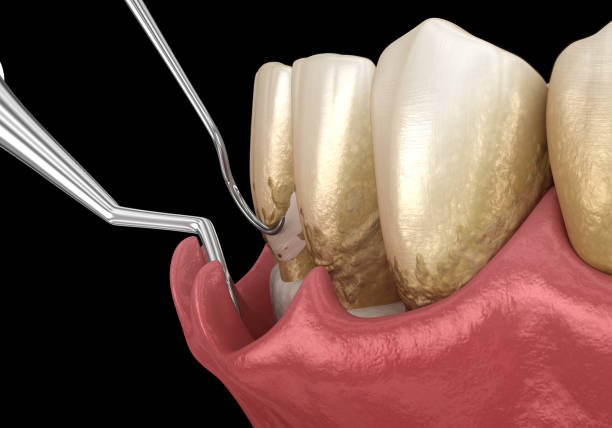
Periodontitis is what happens when that inflammation goes untreated long enough to reach the bone that holds your teeth in place. The gum detaches from the tooth and forms a pocket, bacteria colonize below the gumline where a toothbrush cannot reach, and the bone begins to recede. Bone that is lost does not grow back on its own. Treatment at this stage is about stopping the progression and keeping what you have, not reversing it.
The measurement that separates the two is pocket depth. Healthy gums measure roughly one to three millimetres. Four millimetres and above with bleeding suggests active disease, and anything beyond five or six millimetres is difficult to keep clean without professional intervention. That is why a periodontal assessment involves a probe and a chart rather than a visual glance.
- 1 to 3 mm pockets, no bleeding: healthy
- 4 mm pockets with bleeding: early disease, treatable
- 5 to 6 mm pockets: active periodontitis, scaling and root planing indicated
- 7 mm and beyond: advanced, may need referral to a periodontist