
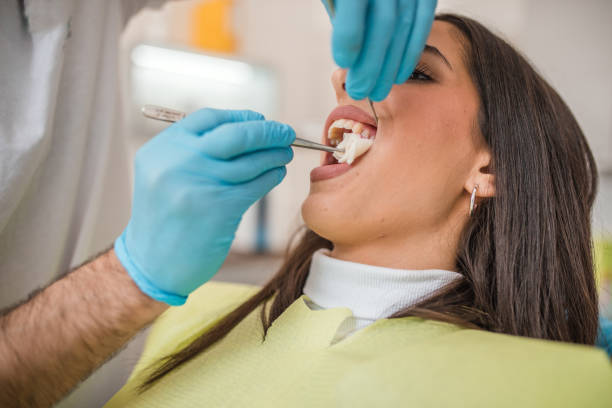

Patient speaking with a dentist before a dental procedure
Home/Dental Blog/Yorkville Toronto

What to Eat After a Tooth Extraction: A Practical Food Guide

Learn what to eat and drink after a tooth extraction, which foods to avoid, and when post-extraction symptoms should be reviewed by a dentist.

Dentistry on 66 author avatar

Dentistry on 66

September 23, 2026

After a tooth extraction, choosing food that is easy to eat can help you stay nourished without putting unnecessary pressure on the area. Your dentist’s individual instructions should always take priority, since aftercare can differ depending on the tooth, the procedure, your health history, and any treatment completed at the same time.

The dentists at Dentistry on 66 are general practitioners. This article provides general information and cannot replace personalized post-operative advice from a dental professional.

Start with soft, cool or lukewarm foods

In the early stage of healing, choose foods that require little or no chewing. Examples may include yogurt, applesauce, mashed vegetables, scrambled eggs, oatmeal that has cooled to a comfortable temperature, smoothies eaten with a spoon, soup that is not hot, and soft pasta. Choose options that feel comfortable and avoid chewing directly over the extraction area.

Very hot food and drinks may be irritating soon after a procedure. Let foods and beverages cool to lukewarm or cooler temperatures unless you have received different instructions. As comfort improves, you can generally introduce more variety gradually rather than rushing back to crunchy or chewy foods.

Avoid foods that can disturb the healing area

Hard, crunchy, sticky, spicy, or crumbly foods can be difficult to manage while the extraction site is healing. Nuts, popcorn, chips, seeds, crusty bread, tough meat, and chewy candy can place pressure on the area or leave food particles behind. Small foods such as rice or seeds may also be inconvenient if they become trapped near the site.

It is also generally advisable to avoid drinking through a straw during the period specified by your dentist. The suction involved can interfere with the protective blood clot that forms in the socket. Smoking or vaping can also affect healing, so ask your dentist for advice that applies to your situation.

Have questions about what applies to your situation?

A dental examination can help determine which options and timing are appropriate for your oral health needs.

Stay hydrated without using a straw

Regular hydration supports recovery, particularly if your appetite is lower than usual. Sip water from a cup, and choose non-carbonated drinks that feel comfortable. If you have been given instructions about medications, nausea, bleeding, or dietary restrictions, follow those directions rather than relying on a general food guide.

Plan easy meals before your appointment when possible. Keeping a few simple soft foods at home can make it easier to eat without having to prepare a full meal while you are uncomfortable or tired. If chewing is difficult, try smaller portions and choose foods with some protein and nutrients that you can tolerate comfortably.

Return to regular foods gradually

There is no single timeline that applies to every extraction. Some people can add more substantial foods relatively soon, while others need longer before chewing feels comfortable. Let your comfort level and your dentist’s instructions guide the transition, and chew on the opposite side when appropriate.

If a food causes sharp discomfort, gets caught near the extraction area, or requires forceful chewing, stop and choose a softer option. Keep the mouth clean according to the post-operative directions you were given. Do not probe the socket with fingers, toothpicks, or other objects to remove food.

Know when to contact a dentist

Some tenderness, swelling, and minor oozing can occur after an extraction, but symptoms should be considered in the context of the procedure and the instructions you received. Contact a dental professional promptly if bleeding does not respond to the guidance you were given, pain becomes severe or worsens after initially improving, swelling is increasing, or you develop fever or other concerning symptoms.

Do not try to determine the cause of these symptoms from an online article. A dentist can assess whether the healing process appears to be progressing as expected and advise you on the appropriate next step.

Trusted Resources

External sources that support this topic

FAQ

Questions patients ask before booking

Can I eat after a tooth extraction?

Yes, but soft foods that require minimal chewing are generally easiest at first. Follow the specific instructions provided for your procedure, and avoid chewing on the extraction area if advised.

What are good foods to eat after a tooth extraction?

Comfortable options may include yogurt, applesauce, mashed vegetables, scrambled eggs, cooled oatmeal, soft pasta, and lukewarm soup. Choose foods that are easy to eat and do not require forceful chewing.

Why should I avoid using a straw after an extraction?

Suction from a straw may disturb the blood clot protecting the extraction site. Follow your dentist’s instructions about how long to avoid straws and other activities that create suction.

When can I eat crunchy foods after a tooth extraction?

The timing varies based on the extraction and how you are healing. Reintroduce firmer foods gradually only when it is comfortable and consistent with your dentist’s post-operative instructions.

Dental care in Yorkville and central Toronto

Dentistry on 66 is located on Avenue Road in Yorkville and serves patients from nearby central Toronto neighbourhoods.

YorkvilleThe AnnexRosedaleDowntown Toronto

Book an appointment at Dentistry on 66

Contact Dentistry on 66 in Yorkville to arrange an assessment and discuss your questions with the dental team.

66 Avenue Rd Unit 21, Toronto(416) 921-2473
Call NowBook Online